Pulpotomies
When a cavity gets too close to the nerve inside the tooth, sometimes it needs special treatment. A pulpotomy can sound scary, but in kid-speak, it is often just “fixing the inside of the tooth” so your child can get back to eating, sleeping, and laughing.
At Chatham Pediatric Dentistry in Chapel Hill, North Carolina, we provide pulpotomy treatment for baby molars in a calm, kid-centered setting. We proudly serve families in Chapel Hill, Carrboro, Durham, Pittsboro, and Chatham County. Dr. Alex and Dr. Kevin focus on explaining options in plain language, keeping appointments as low-pressure as possible, and treating your child the same way they treat their own families, with comfort and long-term health in mind.
Why a Pulpotomy Can Be a Good Option for Your Child
Baby teeth have a big job. They help with chewing, speech, and holding space for grown-up teeth. When a cavity reaches the nerve in a baby molar, a simple filling is usually not enough. In many cases, a pulpotomy lets us keep that tooth working longer instead of removing it.
We recommend this treatment only when it is likely to help your child feel better and protect the tooth. Our goals are always to reduce pain, avoid emergencies, and keep dental visits as predictable and positive as possible.
Some benefits of treating a baby tooth with a pulpotomy can include:
- Helping save the baby tooth until it is closer to its natural time to fall out
- Reducing the chance of infection and swelling in that area
- Supporting normal spacing so adult teeth have a better path to come in
What to Expect During a Pulpotomy Visit
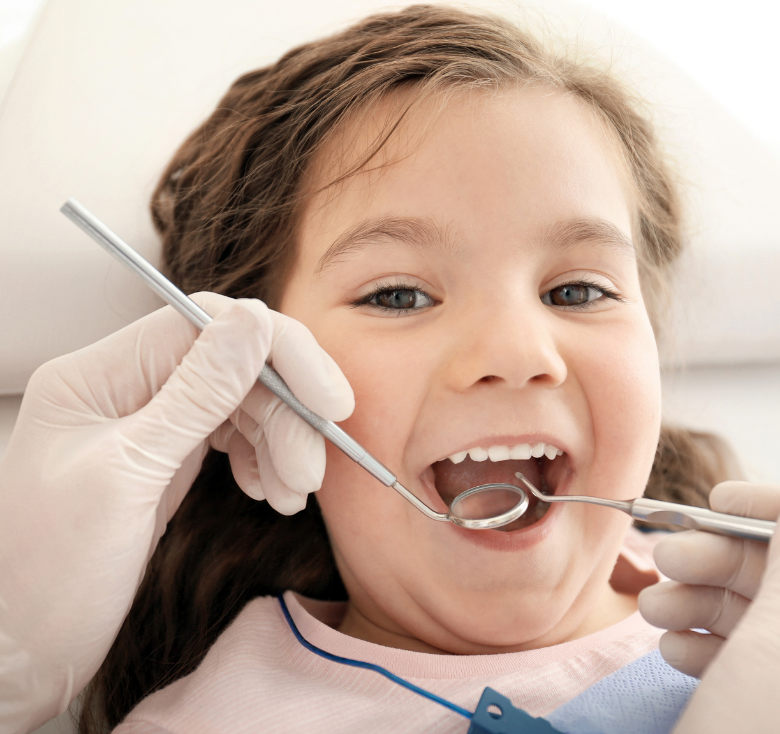
During the procedure, we carefully remove the damaged part of the nerve tissue in the crown of the tooth, place medicine to help protect the remaining nerve, and then seal the tooth, often with a stainless steel crown to keep it strong. For most kids, it’s a similar experience to getting a filling, and many kids are surprised at how quickly it is over.
After the visit, we review what to expect at home, how to keep the tooth clean, and when to get in touch if something does not seem right. You leave with clear guidance, not guesswork.

Schedule Gentle Pulpotomy Care For Your Child Today
If your child has deep tooth decay, we are here to explain every step of a pulpotomy and provide calm, kid-centered treatment. Reach out to Chatham Pediatric Dentistry so we can answer your questions and help your child feel comfortable and protected during their visit.
Our Approach to Kid-Friendly Tooth Nerve Treatment
As board-certified pediatric dental specialists with training from the UNC School of Dentistry, they combine evidence-based care with a very human approach. That means: talking with you, not at you, making space for your child’s feelings, and never shaming you about cavities or past dental history. Teeth happen. We are here to help.
Pulpotomy FAQs
What Is a Pulpotomy for Baby Teeth?
How Do I Know If My Child Might Need a Pulpotomy?
A dentist will let you know if your child may need a pulpotomy. Sometimes, there are no obvious symptoms, and we identify the need for a pulpotomy during an exam and X-rays. We will always explain our findings and discuss all appropriate options with you.
Will My Child Feel Pain During the Procedure?
We use numbing gel and local anesthetic to keep the tooth comfortable during treatment. Our team focuses on helping your child feel calm and secure, using kid-friendly explanations and a gentle pace. Most children describe the visit as feeling similar to getting a filling.
Why Not Just Remove the Baby Tooth Instead?
Is a Pulpotomy Safe for My Child?
Yes. Pulpotomy is a well-established pediatric dental procedure. As board-certified pediatric dental specialists, Dr. Alex and Dr. Kevin use evidence-based techniques and materials and will only recommend a pulpotomy when they believe it is a safe, appropriate option for your child.
What Is Recovery Like After a Pulpotomy?
Will the Treated Tooth Need Any Special Care?
Schedule a Pulpotomy Consultation at Chatham Pediatric Dentistry
If you think your child may need nerve treatment on a baby tooth, or you simply want a trusted pediatric specialist to review your options, our team is here to help. At Chatham Pediatric Dentistry in Chapel Hill, we welcome families from Chapel Hill, Carrboro, Durham, Pittsboro, and Chatham County.
Call our office or request an appointment online today to schedule a pulpotomy evaluation for your child. We will take the time to answer your questions, explain every step, and create a personalized plan to help your child smile, eat, and sleep comfortably again.